Results & Reflection
The Design Thinking, User Research process ensured in the application building process in a wider range. Also a Collaborated and iterative process established throughout the development cycle.
Mercedes-Benz is responsible for the global business of Mercedes-Benz Cars and Vans. The company focuses on the development, production and sales of passenger cars, vans and vehicle-related services. Here I got a opportunity to work on PDM2020 (Product Data Management) project. I created specialized design systems for the Mercedes-Benz IT applications.
Involved comprehensive user research through in-person interviews and questionnaires, identifying pain points, detailed user persona, wire-framing, user flows, visual design, interactive prototypes for testing and an enhanced user interface. I worked across a broad variety of disciplines, including Product, Engineering, and Analytics among a diverse and geographically dispersed team for strategy, ideation, pixel-perfect design implementations.
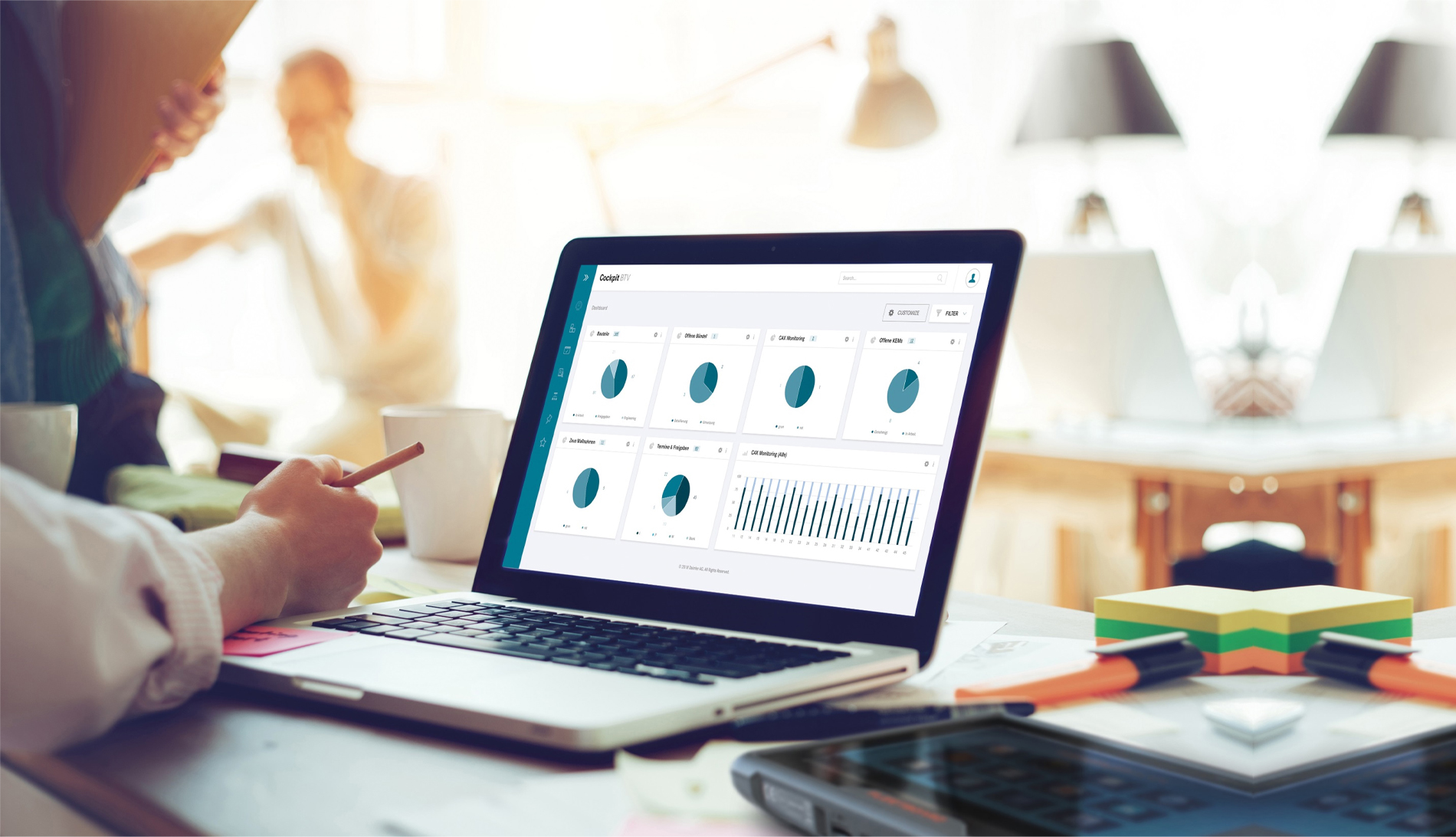
The PDM2020 project more about KEM (Construct Engineering Management) KPI Lifecycle and Workflows data management application. The presentation of different status of KEM KPI life cycle and workflows has been introduced to this Cockpit application where as User able to view trending information of KEM Status in one dashboard (Cockpit).
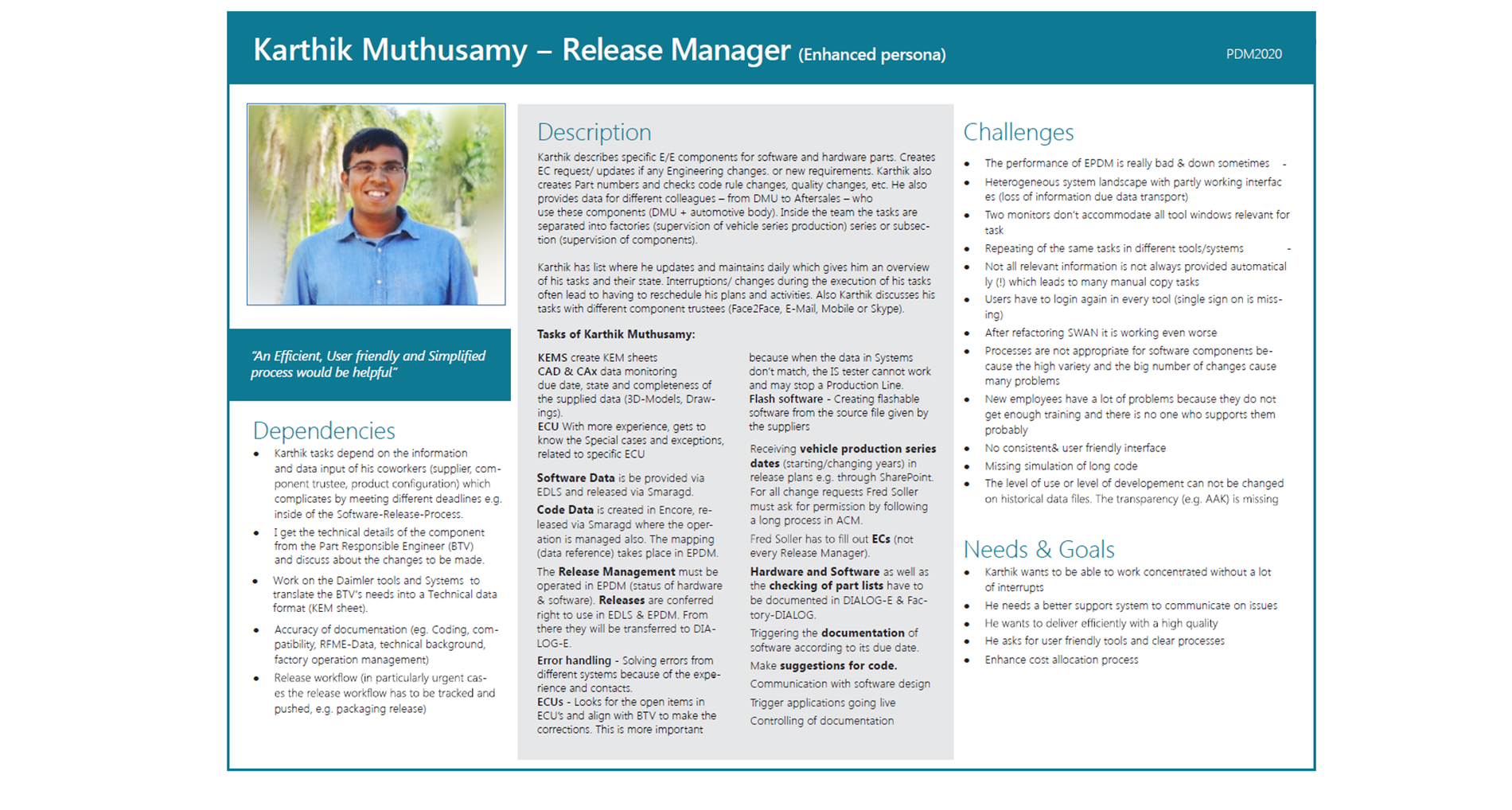
-Repeating of the same tasks in different tools/systems.
-Not all relevant information is not always provided automatically. Which leads to many manual copy tasks.
-Users have to login again in every tool (single sign on is missing)
-Processes are not appropriate for software components because the high variety and the big number of changes cause many problems.
-New employees have a lot of problems because they do not get enough training and there is no one who supports them probably.
-No consistent & user friendly interface.
I did a lot of researches, interviewed real users, and received feedback from user testing to make reasonable design decisions. I overcame the difficulties by bringing in the intuitive features.
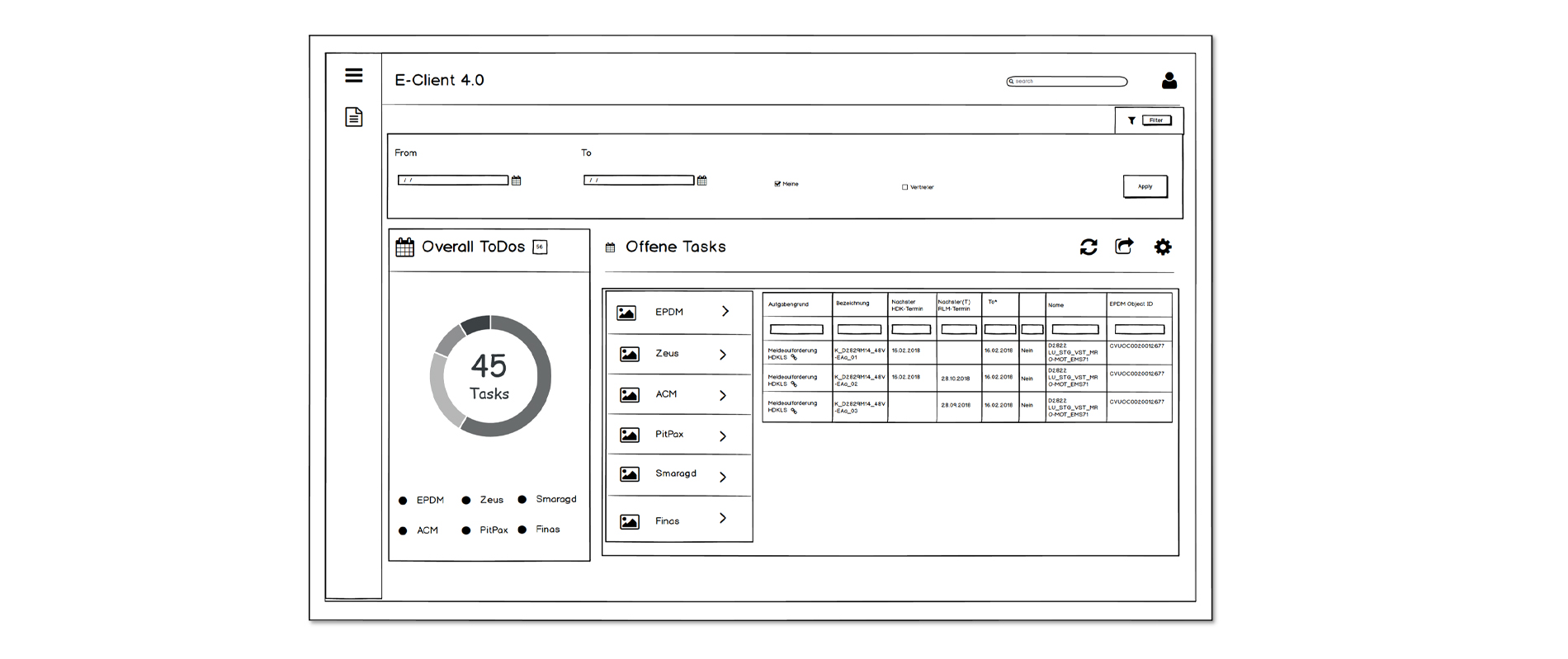
With our goals, features, and UX Research, I moved into sketching the screens and created wireframes.
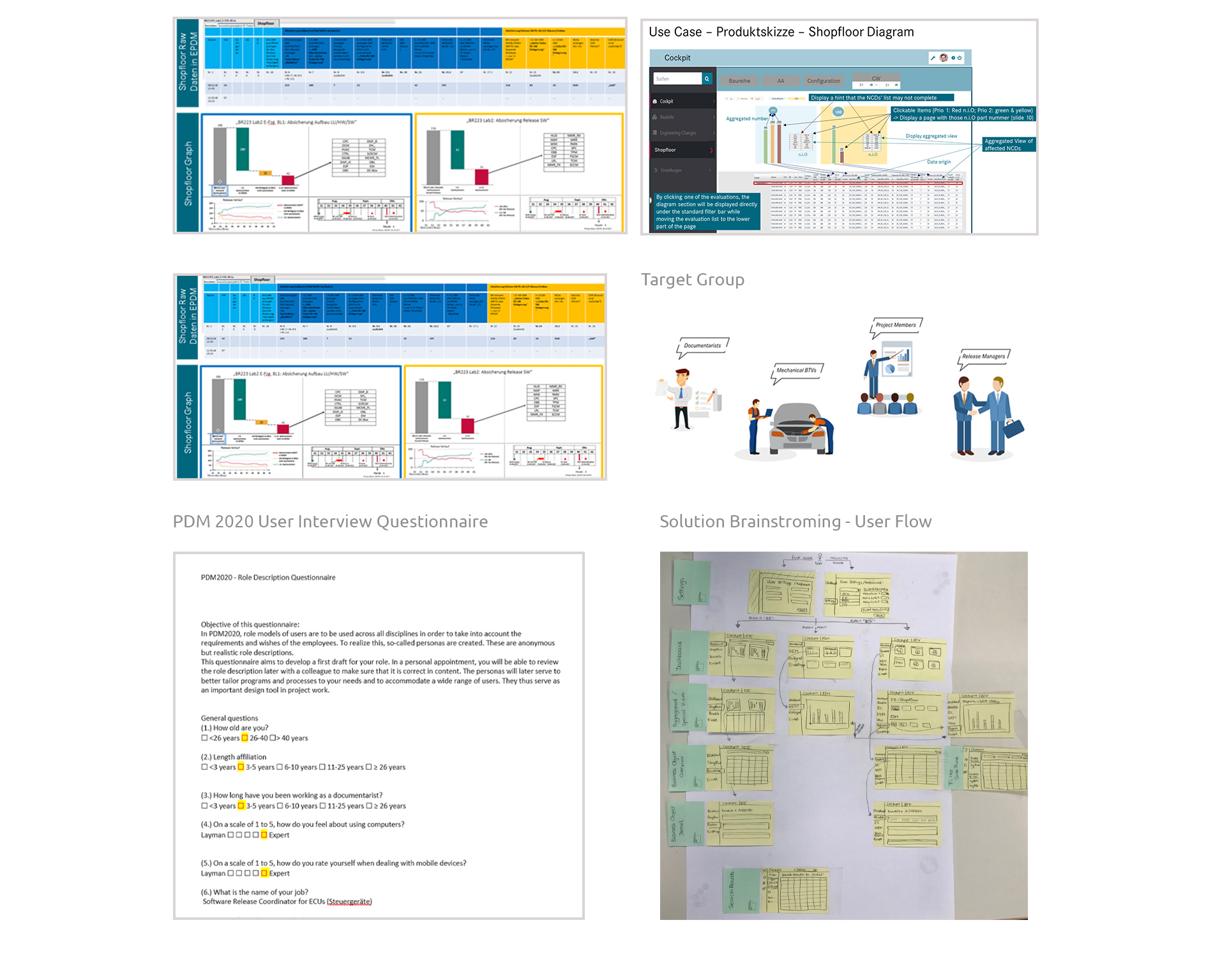
In PDM2020, role models of users are to be used across all disciplines in order to take into account the requirements and wishes of the employees. To realize this, so-called personas are created. we identify the roles of our user base, using these personas to walk through we created IA(Inforamation Architecture), site map, and journey flow.
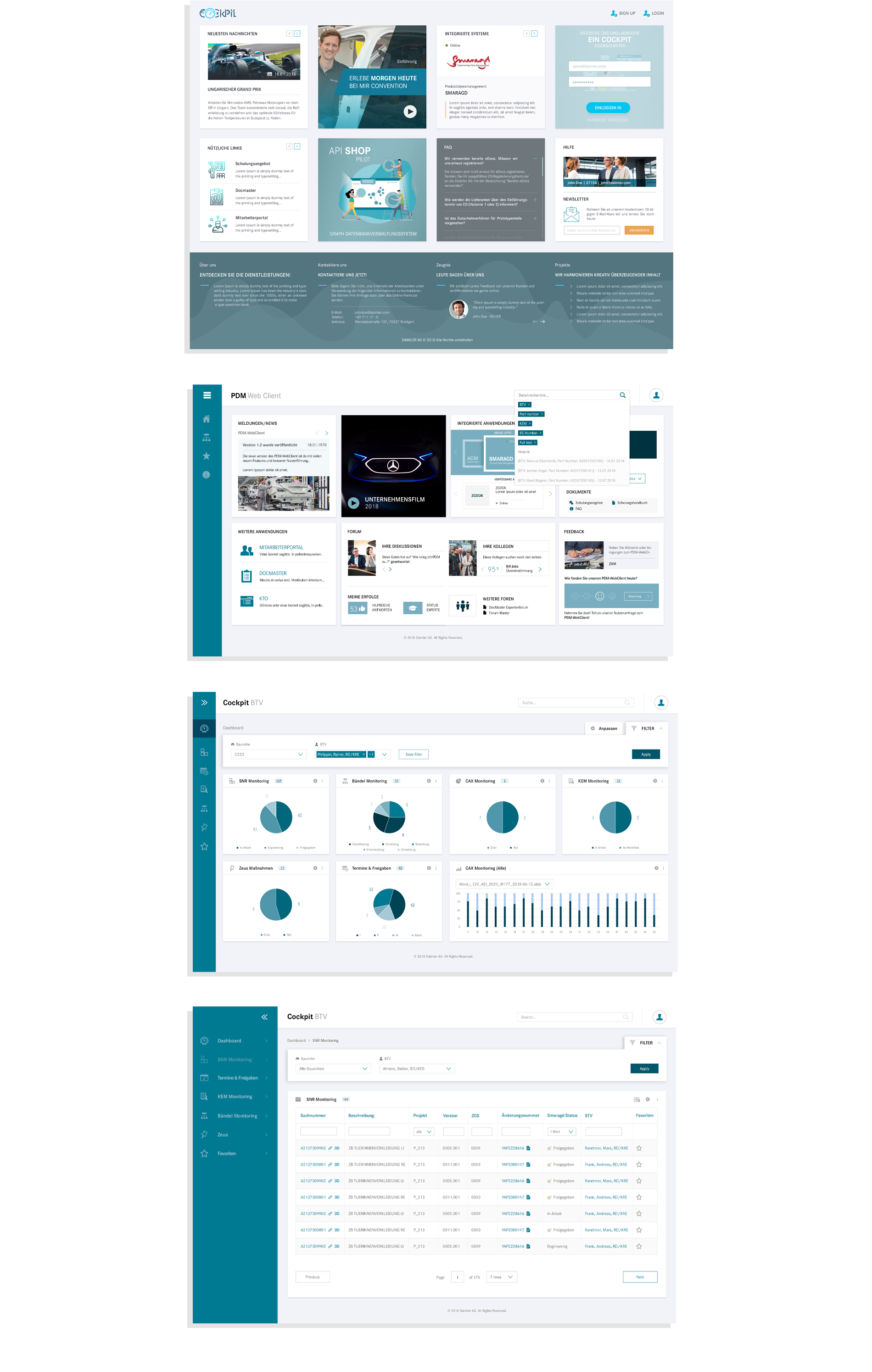
Wireframes, made clickable through prototyping, were the basis of the information architecture redesign and flow improvements. We used these explorations to validate our hypothesizes around the organization of information for users trying to compete tasks as quickly as possible. They helped us form an understanding of the complexity of these tasks and where we can simplify our structure to benefit actual users.
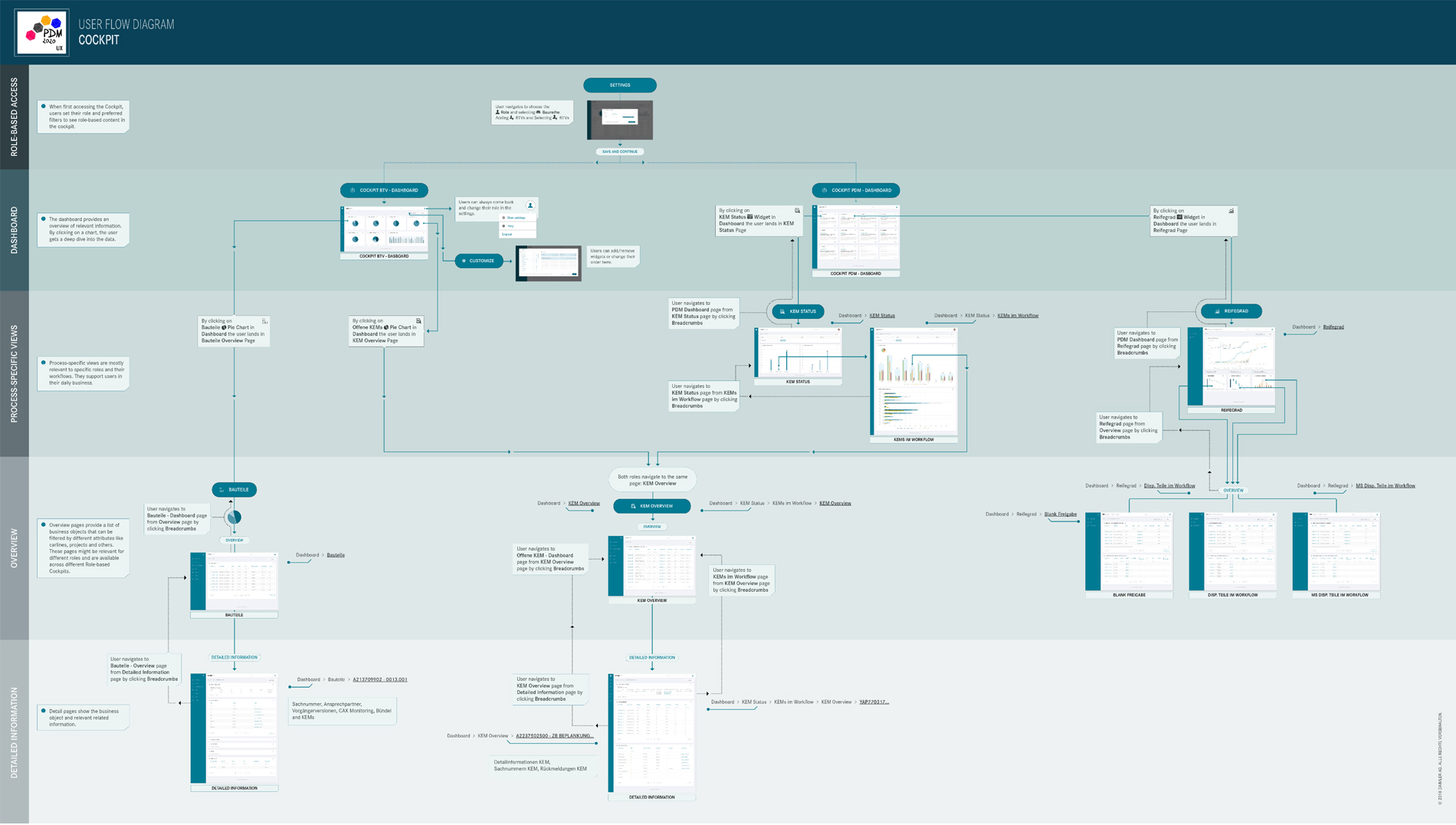
After somany iterations and discussions, we finalized user flow of the PDM2020 apps. While diving deep into our users and their needs (personas, user studies). I specifically contributed during UX Rsearch to the information architecture, layout and structure of the improved product.
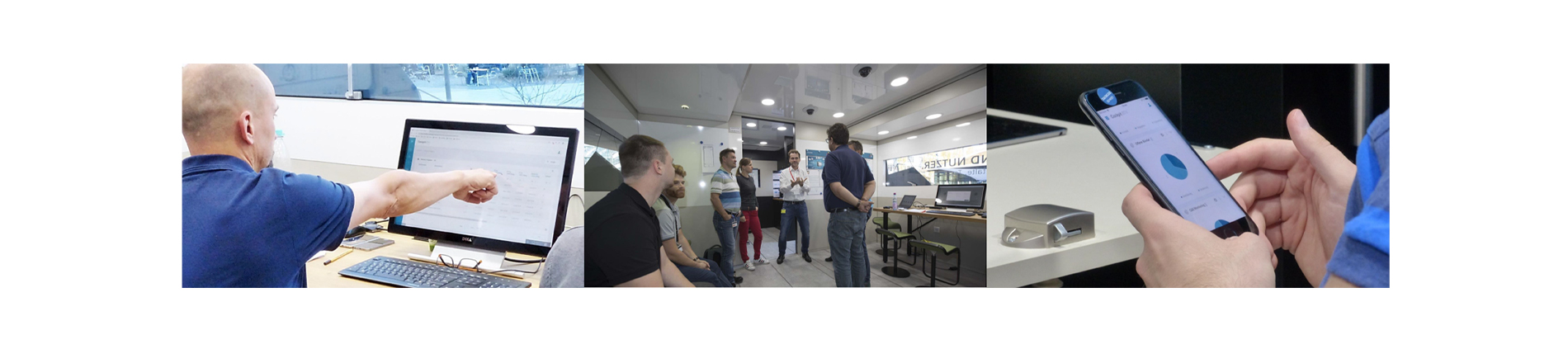
We conducted usability testing with realtime users. I also conducted UX audits for the PDM datat layer applications.
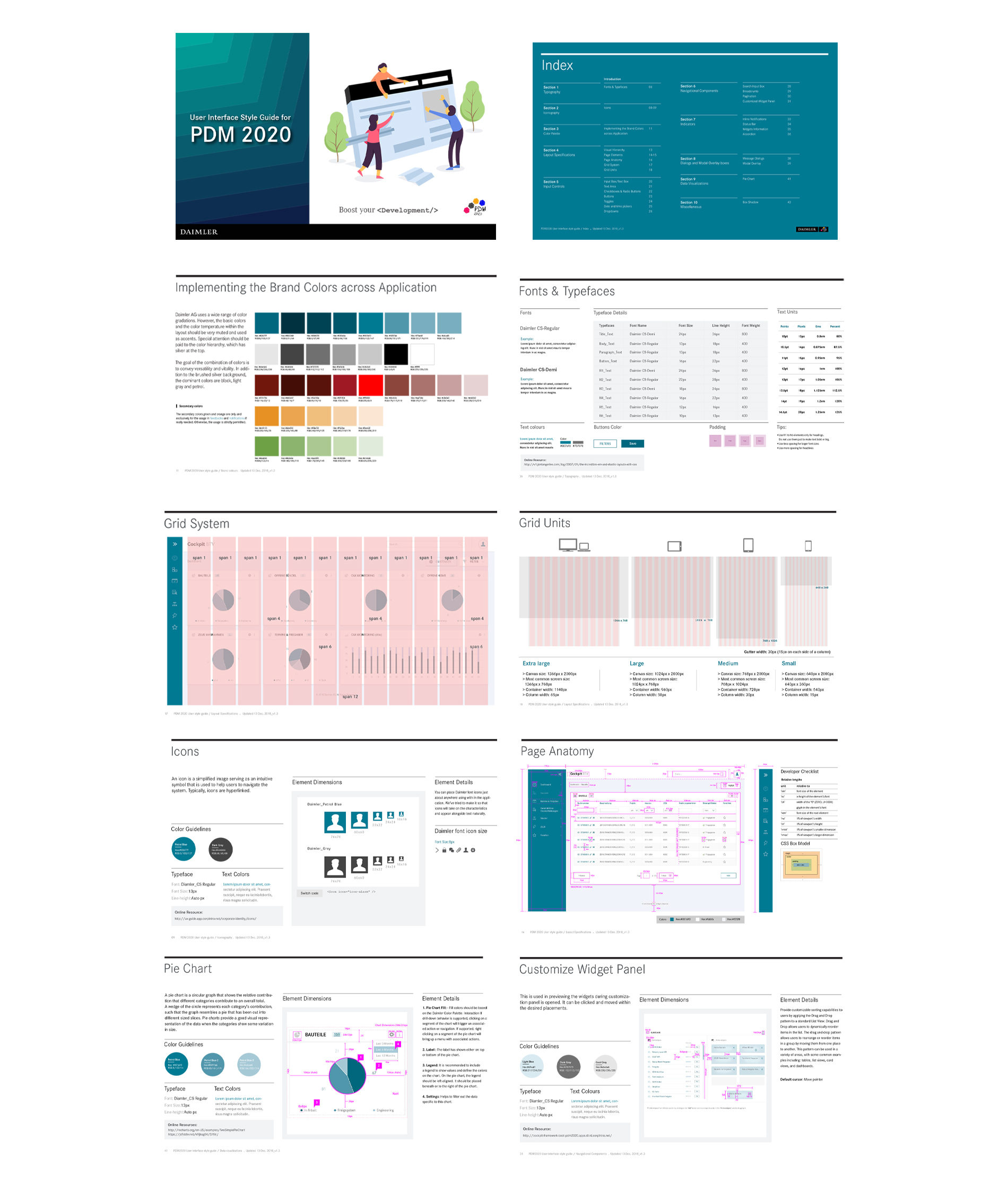
I created application Design Systems / Style Guide for the developers. The design process was enjoyable, through thise style guide developers imporived User Interface of the application.
The Design Thinking, User Research process ensured in the application building process in a wider range. Also a Collaborated and iterative process established throughout the development cycle.